

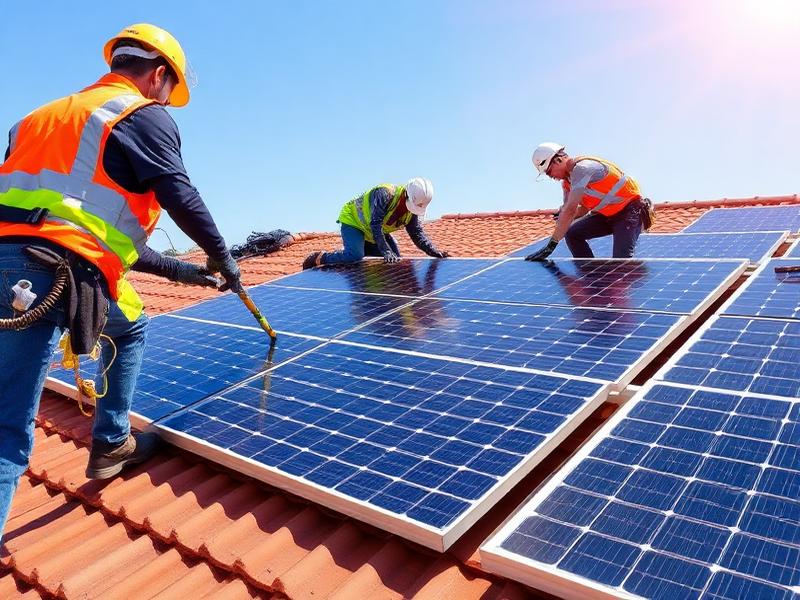
Solar panels have become a popular choice for homeowners who want to reduce energy costs and make their homes more efficient. With electricity prices changing over time, many people are looking for ways to take more control over their monthly utility bills. Solar energy can be a smart option because it allows your home to use power from the sun instead of relying only on the traditional electric grid.
For many homeowners, the biggest reason to consider solar panels is long-term savings. While the upfront cost can seem high, solar may help reduce monthly electricity bills over time. Depending on your location, roof condition, energy usage, sunlight exposure, and available incentives, solar panels could become a valuable investment for your home.
Many people think solar panels are only for large homes or very sunny states, but that is not always true. Solar systems can be designed for different home sizes, budgets, and energy needs. Even if your home does not use a huge amount of electricity, comparing solar options can help you understand whether a system makes sense for your situation.
One of the biggest advantages of solar energy is that it can help protect you from rising utility costs. When your home produces its own electricity, you may depend less on your local power company. Over time, this can make your monthly energy expenses more predictable. Some homeowners may also qualify for net metering programs, where extra energy produced by their system may be credited back on their electric bill, depending on local rules and utility policies.
Solar panels can also add value to your home. Many buyers like the idea of a home with lower energy costs and modern energy-efficient features. A properly installed solar system may make your property more attractive, especially if energy savings are clear and the system is well maintained.
Before choosing a solar system, it is important to understand your home’s energy needs. Look at your average monthly electric bill, how much power your household uses, and whether your usage may increase in the future. For example, if you plan to buy an electric vehicle, add appliances, or expand your home, your future energy needs may be higher.
Your roof is also an important factor. Solar panels work best on roofs with good sunlight exposure, limited shade, and enough space for the system. The age and condition of your roof matter too. If your roof needs repairs or replacement soon, it may be better to handle that before installing solar panels. A professional solar assessment can help you understand whether your home is a good fit.

Another thing to consider is the type of solar plan available. Some homeowners choose to buy the system outright. Others may explore financing, solar loans, leases, or power purchase agreements. Each option has its own benefits and costs. Buying a system may offer stronger long-term savings, while financing or lease options may make solar more affordable upfront. Comparing available options can help you choose what works best for your budget.
Solar incentives may also make a big difference. Depending on where you live, there may be federal, state, local, or utility-based incentives that help reduce the overall cost of going solar. These programs can change, so it is important to review current offers and see what may apply to your home.
If you are serious about lowering your electricity bills and making your home more energy efficient, this is a good time to compare available solar options. You may find affordable plans, special incentives, or solar providers that can help you understand your savings potential.